
Car Alternators
availability

Value Advantage™ VALUE ADVANTAGE REMAN ALTERNATOR
Nissan
2310M1FC1ARW
Cube.
MSRP $446.58 CAD

Value Advantage™ VALUE ADVANTAGE REMAN ALTERNATOR
Nissan
2310m3ta1brw
Altima. 2.5l. To 09/2017.
MSRP $635.86 CAD

Value Advantage™ VALUE ADVANTAGE REMAN ALTERNATOR
Nissan
2310M1LA1ARW
Nv full size Van. 5.6l. Armada.
MSRP $786.05 CAD


Alternator Adjusting Bracket Bolt
Nissan
081B68161A
2012-16 5.6L. 5.6L, 2017-21.
MSRP $2.26 CAD


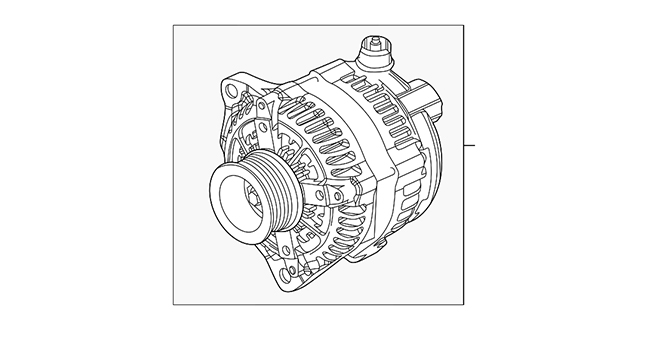


Engine Intake Manifold Bolt
Nissan
081B68301A
Bolt. All Required. 5.0L diesel.
MSRP $2.16 CAD
No results found for "alternator". Here are some helpful search tips:
- Search by a part name. Example: water pump.
- Be less specific. Example: brake instead of ceramic brake.
- Remove information such as make, year or model.
- Can't find the part you are looking for? Contact us and we'll find it for you!
Alternators in Brief
The alternator keeps your battery charged and powers your vehicle's electrical systems while the engine runs. Performance Auto Parts offers genuine OEM alternators designed to match your vehicle's output requirements, mounting, and electrical connections.
What Happens When Charging Output Drops
When an alternator starts to fail, the battery can slowly drain even while you're driving. You may notice a battery or charging warning light, dimming lights, slow power accessories, a weak start, or a whining or grinding noise from the front of the engine. These symptoms can also come from a weak battery, a slipping belt, or a wiring issue, so it's worth having the charging system tested before replacing parts.
Alternator Parts in This Category
Depending on your vehicle, this category may include:
- Complete alternators – designed for your vehicle's engine and electrical system
- Alternator pulleys – including decoupler or clutch pulleys on some engines
- Mounting hardware – brackets, bolts, and fasteners where sold separately
Alternators are driven by the accessory belt, so inspect your serpentine belt and related belts, pulleys, and brackets during replacement.
Why OEM Alternators Match Your Electrical Load
Modern vehicles can place heavy demands on the charging system, and many use engine management that controls alternator output. Genuine OEM alternators are designed to match your vehicle's amperage rating, connector type, pulley design, and mounting. Aftermarket and rebuilt units are available and can work, but output, internal components, and quality can vary. OEM alternators are built to the specifications your vehicle's electrical system expects.
How to Choose the Right Alternator
- Have the battery and charging system tested to confirm the alternator is the cause.
- Match the amperage rating, which can vary by trim, engine, or equipment package.
- Compare the pulley style and electrical connector to your original unit.
- Inspect the belt and tensioner, since a worn belt can affect charging.
Fitment Details for Alternators
Alternators can vary by engine, trim, and factory options such as heavy-duty electrical or towing packages. Select your year, make, model, and engine, or search by VIN, to filter to compatible units, and check the part number on your existing alternator before ordering. You can find other charging and electrical parts in electronics.
Alternator Takeaways
- The alternator charges the battery and powers electrical systems while driving.
- Warning lights and dim lights can point to charging issues, so test before replacing.
- Match amperage, pulley, connector, and mounting to your vehicle.
- Confirm fitment by engine, part number, or VIN.
Alternator Questions
How do I know if my alternator or battery is the problem?
A charging system test can check both. Testing helps avoid replacing the wrong part.
Does alternator amperage matter?
Yes. The alternator should match the output your vehicle was designed for, which can vary by trim or equipment.
Should I replace the serpentine belt with the alternator?
If the belt shows wear, replacing it at the same time is common, since it drives the alternator.